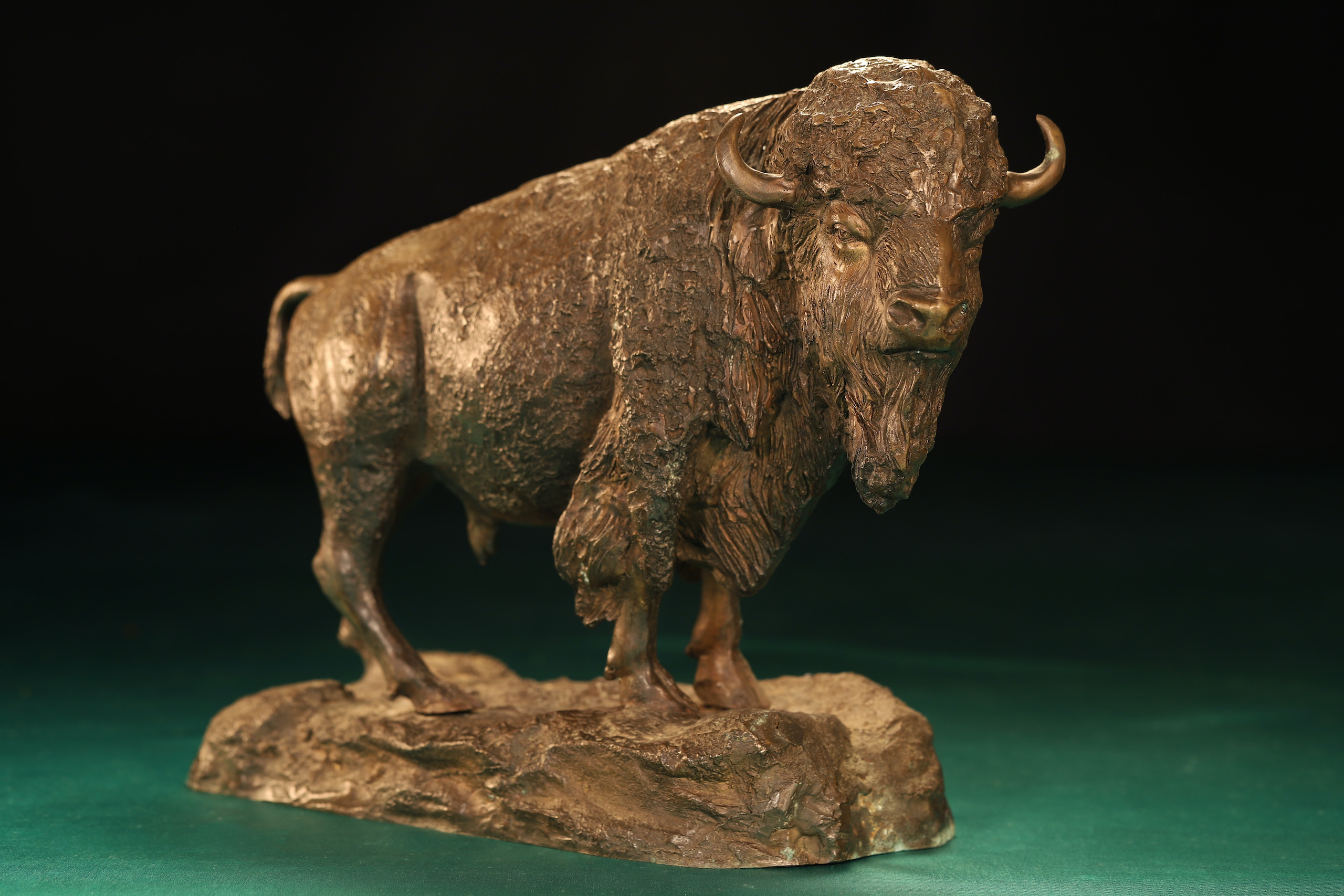
A magnificent bronze of an American bison, signed Barye, after Antoine-Louis or Alfred Barye, c1900
This is an exceptional bronze — monumental in presence, superb in casting quality, and entirely unresolved in attribution. We offer it in that spirit: honestly, with the evidence laid out.
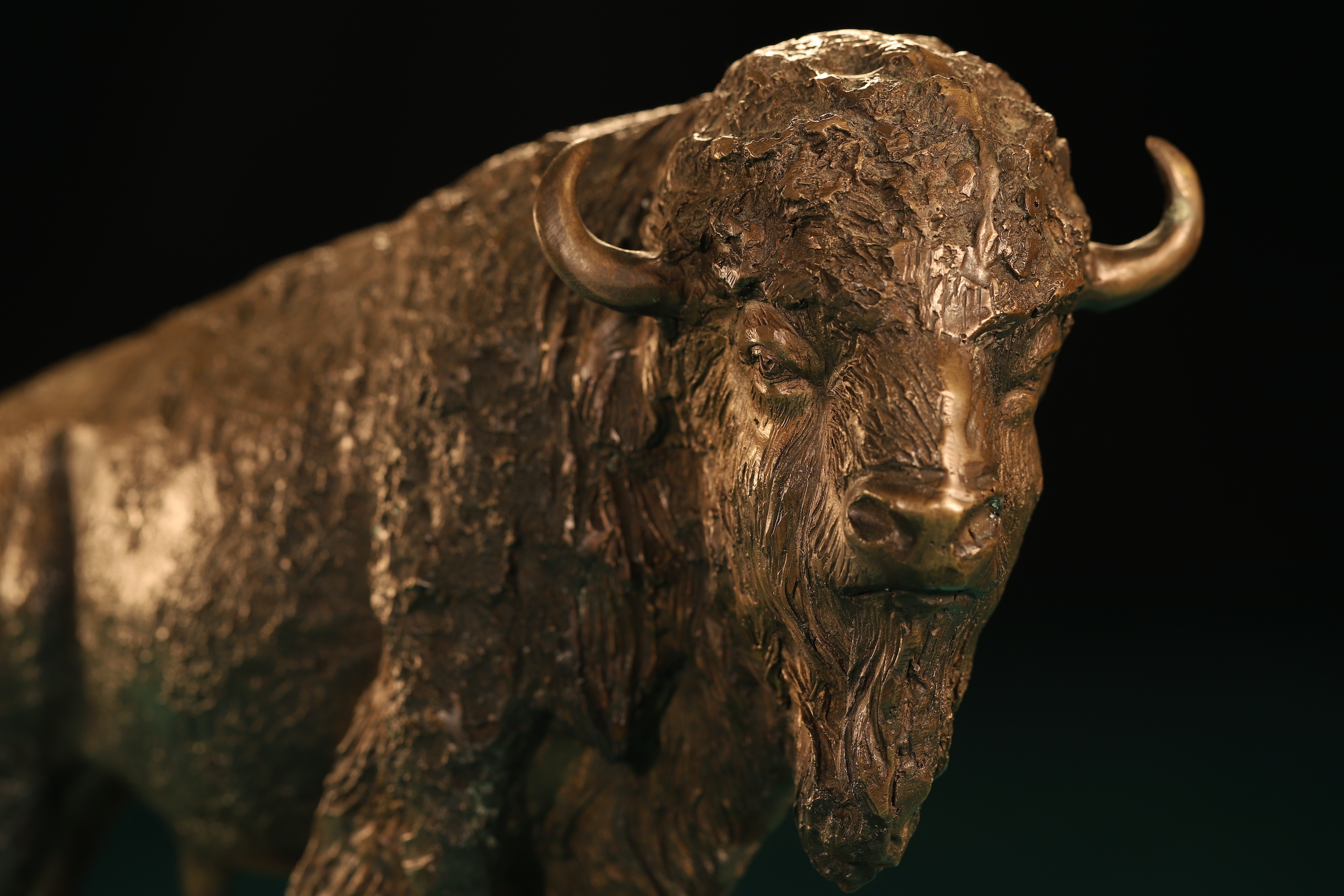
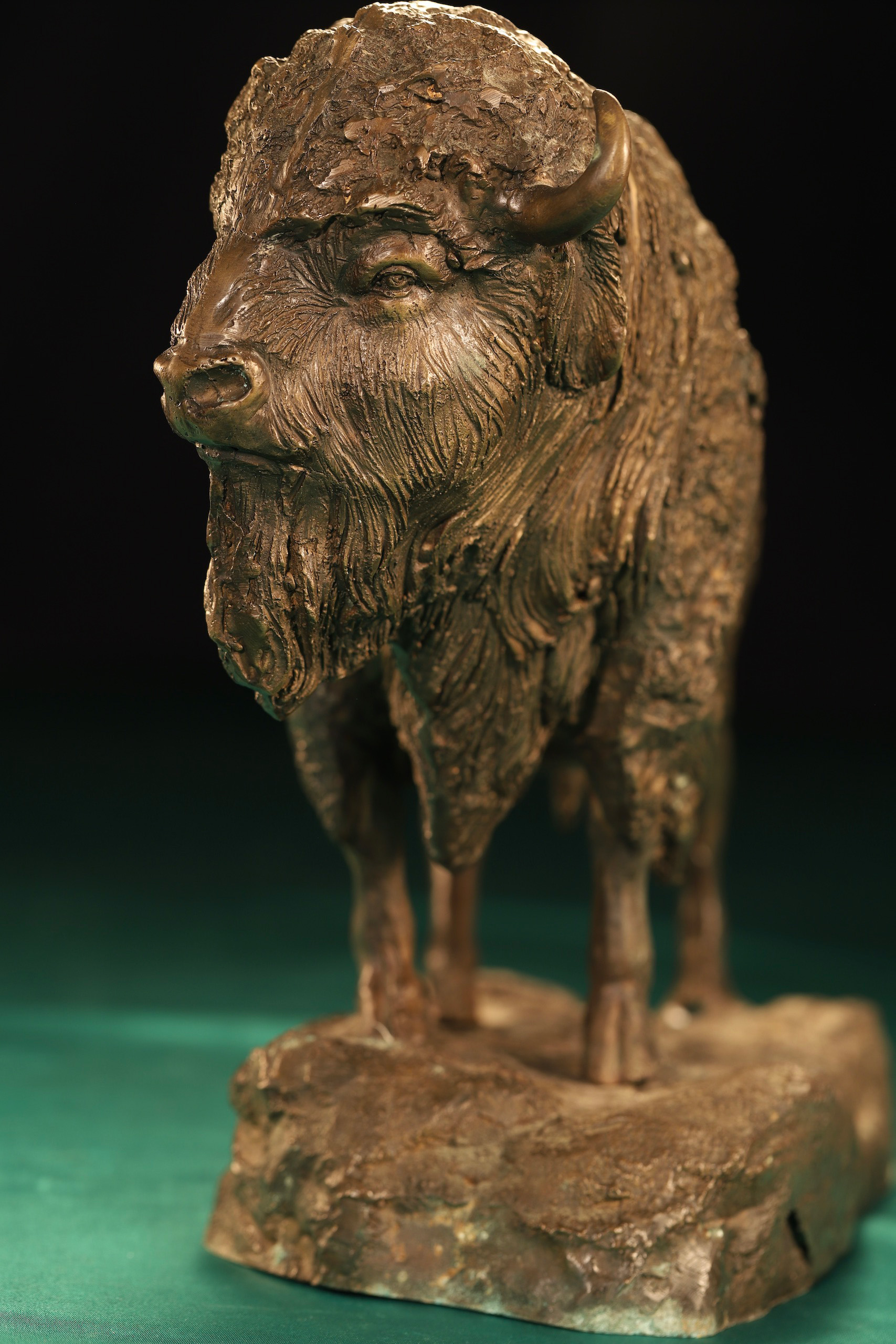
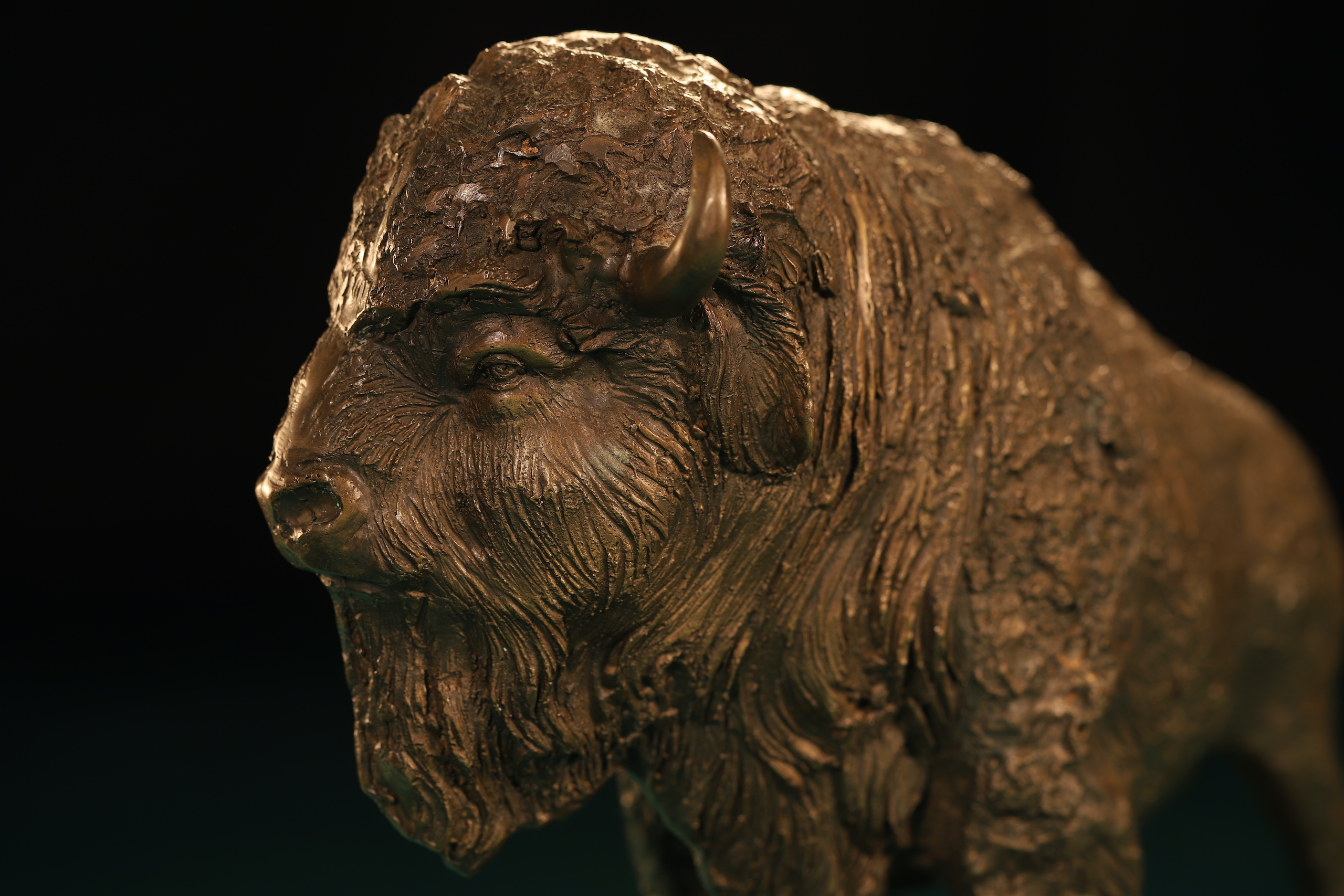
The bison stands almost 11½” high and weighs 20½lbs — a scale and physical authority that immediately places it in a different category from the decorative bronzes more commonly encountered under the Barye name. The casting, in the lost wax method, is of the highest order: the thick winter coat rendered with extraordinary naturalistic detail, the powerful musculature of the shoulders and haunches fully resolved, the head — carried high and alert, a pose of particular distinction — modelled with a conviction that speaks to direct observation of the living animal. It is a serious sculpture by a serious hand.
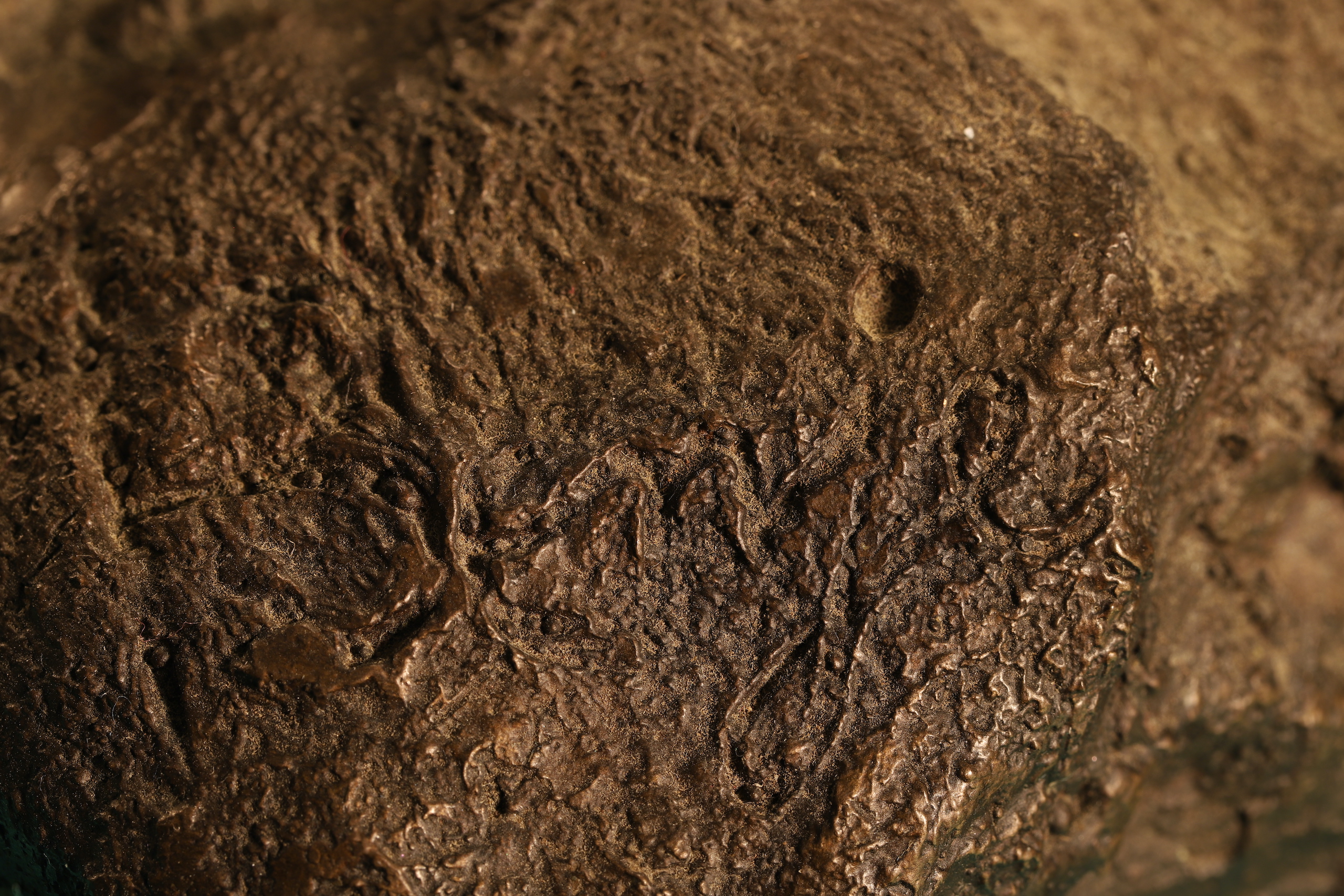
It is signed Barye in cursive script, cast into the base.
THE BARYE FAMILY AND THE ANIMALIER TRADITION
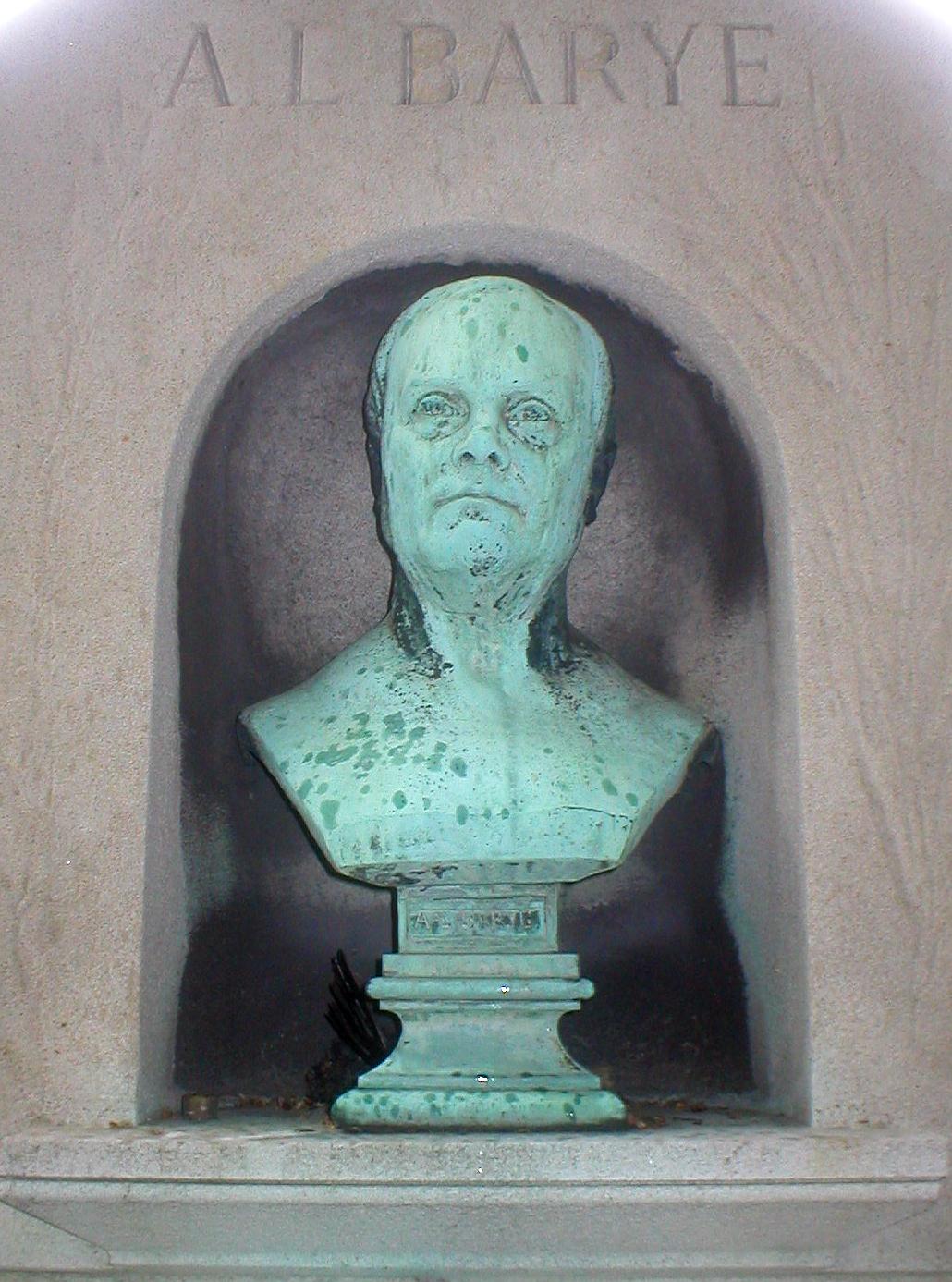
The name Barye encompasses two distinct figures, both central to the nineteenth century animalier tradition in France, and both the subject of complex posthumous casting histories that make attribution genuinely difficult.
Antoine-Louis Barye (1795–1875) was the founder of the animalier school — the sculptor of animals most celebrated in his generation, a friend of Delacroix, and the artist whose close observation of the animals at the Jardin des Plantes in Paris transformed the bronze animal sculpture from a decorative curiosity into a serious art form. His bronzes of lions, tigers, bears and exotic animals are among the most collected of all nineteenth century sculptures. He was, characteristically, in perpetual financial difficulty, and in 1875 — the year of his death — his entire inventory of bronzes, plasters, models and the rights to produce from them were sold. Posthumous casts from his models, by various foundries, continued to appear through the 1880s and beyond.
Alfred Barye (1839–1882) was his son, trained in his father’s studio and foundry, and an accomplished animalier in his own right. Alfred expertly learned the art of bronze sand casting at a very young age while working alongside his brothers in his father’s studio and foundry. His most numerous subjects were racehorses, but he also modelled wild animals, often under his father’s direct influence. The majority of his sculptures are signed A. Barye fils while some are marked Barye or A. Barye — which created some confusion, intentional or not, with those of his father. Alfred died in 1882, but posthumous casts continued to be produced from his models, as from his father’s.
The simple cursive Barye signature on this bronze — cast into the base in the wax before casting, as was standard practice for lost wax bronzes — cannot definitively identify which Barye is referenced, nor whether the signature represents a direct cast from a Barye model or a work by another sculptor working consciously in the Barye tradition and signing accordingly. This ambiguity is not unusual. As the Walters Art Museum, Baltimore, noted in correspondence with us: “It’s always difficult with Barye as there are so many posthumous variations and editions.”
THE BISON AS SUBJECT
The American bison was a subject of particular fascination for sculptors on both sides of the Atlantic at the turn of the twentieth century — simultaneously a symbol of the vanishing American wilderness and a supreme test of the animalier’s ability to render massive, textured form. Antoine-Louis Barye himself modelled bison subjects, as did his son Alfred. At the same moment, American sculptors including Henry Merwin Shrady were approaching the same subject from a different tradition: Shrady convincingly recorded the bison’s solid form, rendering its weighty coat as a textural tour de force, and was perhaps the first sculptor to take full creative advantage of the lost wax process offered by Roman Bronze Works — the deeply and freely sculpted fur made possible by his easy access to the wax model just prior to casting.
The lost wax casting of this bronze — and the extraordinary treatment of the coat, which shows exactly the freedom of modelling that lost wax uniquely permits — places it firmly within this tradition of serious, technically ambitious animal sculpture at the turn of the century.
THE CASTING
The lost wax method — cire perdue — is the most demanding and most faithful of bronze casting processes, allowing the sculptor’s original surface to be transferred to the metal with a precision that sand casting cannot match. The deeply modelled coat of this bison, with its differentiated textures of dense curled wool on the shoulders and head, longer flowing hair on the chest and beard, and shorter hair on the haunches, could only have been achieved in lost wax. The interior of the base reveals the characteristic hollow of a lost wax casting, with an iron armature bar — now with the oxidation of genuine age — providing structural reinforcement.
The patination is a rich, warm mid-brown with deeper tones in the recesses and lighter wear on the high points — consistent with genuine age and entirely unlike the uniform patination of modern commercial casts. Alfred Barye typically used mid-brown patinas but would sometimes add green and auburn-coloured hues in the patination process — any Barye bronze, by father or son, will generally have an exquisite patina.
THE POSE
The head-up alert stance of this bison is a particular point of distinction. The majority of bison bronzes — by Barye, Shrady, Bergmann and others — show the animal with head lowered, grazing or charging. A bison standing with head raised, fully alert, observing its surroundings, is a less commonly modelled pose and one that demands more of the sculptor — the full architectural mass of the animal must be resolved without the anchor of the lowered head. That this example succeeds so completely in conveying both the physical weight and the quiet authority of the animal is a measure of the quality of the original model.
Despite extensive research, we have been unable to find another example of this specific sculpture.
CONDITION
The bronze is in very good condition. The casting is crisp throughout; the patination is consistent and well preserved with honest wear to the high points. The iron armature bar to the interior of the base shows genuine age oxidation. One very minor casting imperfection to the upper surface of the base — almost certainly present from manufacture.
Dimensions: 12" wide x 11½" high x 6" deep
Stock No: FN2005
Price: £1850